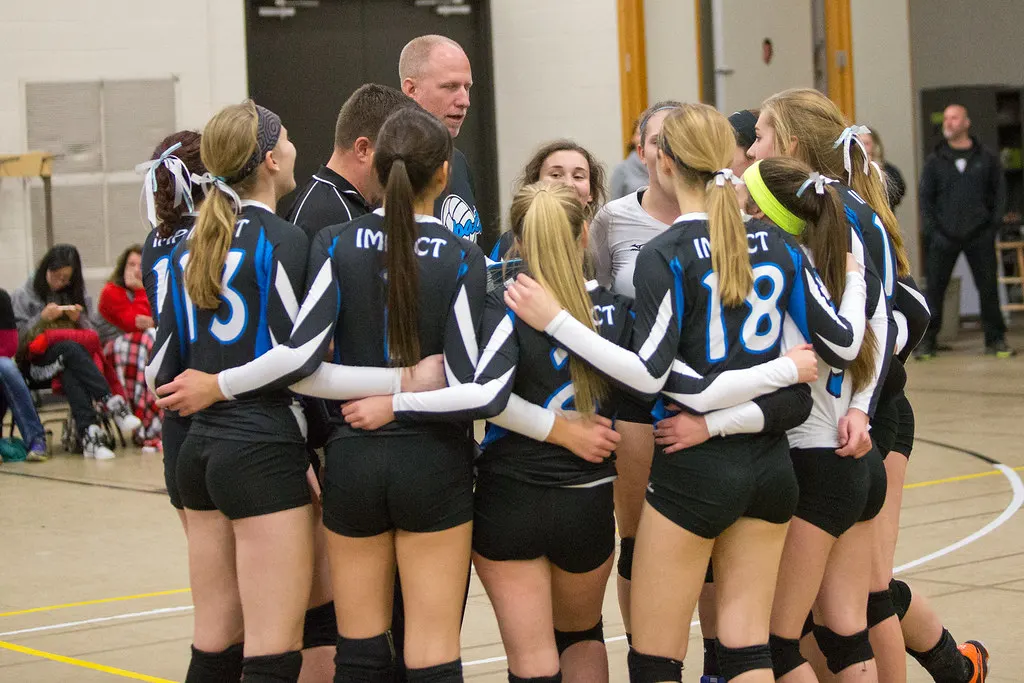
A good under-14 match plan is clear enough for players to understand, flexible enough for the game to change, and light enough for a volunteer coach to use from the sideline.
Use this guide to prepare the decisions that matter most: who starts, what each player is asked to do, when substitutions may happen, and which observations are worth carrying into the next training session.
The preparation sequence
Five steps from team list to first whistle
Complete the plan in order, but keep it adjustable. Attendance, energy, weather, and the flow of the match may all require a sensible change.
Confirm the group. Note who is available, who may arrive late, and any relevant fitness or confidence considerations. Start with the players you have today rather than the lineup you imagined earlier in the week.
Choose a simple starting shape. Place players where they can succeed and explain the shape using a few landmarks: width, depth, cover, and the area your team wants to protect. Avoid changing several positions at once unless there is a clear reason.
Give each player one opening job. A job might be to scan before receiving, recover quickly, support the ball, or communicate with the nearest teammate. One memorable focus is more useful than a long list of instructions.
Sketch substitution windows. Consider balanced opportunities before the match begins, while leaving room to respond to fatigue, injury, game context, and player needs. Record who may enter, which position they can cover, and who will need a short explanation.
Choose three things to notice. Watch for team habits rather than collecting every mistake. For example, note whether players spread out after winning the ball, offer passing options, and recover together after losing it.
Keep the plan close to the decisions you will make on the field.
Before the huddle
Make the lineup easy to explain
Start with availability
Separate confirmed players from maybes, then identify the positions that need cover. If a player is trying a new role, pair the change with a nearby teammate who can communicate and help them settle.
Use familiar language
Say “wide left,” “central support,” or “last defender” consistently. Point to the space as you explain it, and ask players to repeat the first movement they will make when the team has and does not have the ball.
Check the plan aloud
Before players go out, confirm the starting shape, first team focus, and opening substitution expectation. A quick check catches confusion without turning the huddle into a lecture.
During the match
Substitute with purpose, not panic
Use the plan as a set of prompts rather than a script. Scan the whole group before making a change: who is tiring, who is losing concentration, which role is isolated, and whether a player can enter with a clear task.
A practical sideline check
Identify the next likely change before the current stoppage.
Tell the incoming player their position, first job, and nearest teammate.
Give the outgoing player a positive acknowledgement and a simple recovery cue.
Update the plan when the match creates a new need instead of trying to preserve the original sequence.
Players act with more confidence when the next job is clear.
After the final whistle
Turn notes into the next useful conversation
Write notes while they are fresh, but keep them specific and respectful. Describe what happened, what the team tried, and what you want to revisit. Avoid turning one match into a verdict on a player.
Keep
Record a team habit that helped: early communication, quick support, brave passing, or a strong response after conceding.
Explore
Choose one moment to recreate at training. A short question—“Where could our next pass go?”—often opens better learning than a long correction.
Adjust
Mark one planning change for next time, such as a clearer substitution explanation, a different pairing, or an earlier reminder about team shape.
MatchMinder has no optional tracking until you give consent. Read our Privacy Policy to learn more.